Bacterial Vaginosis Treatment



Bacterial Vaginosis Overview
We are focused on providing the best care. Always!
-
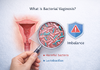
What is Bacterial Vaginosis?
BV is a common condition that affects many women. If you're experiencing a thin grey or white discharge and/or a fishy smell, this could be BV.
-
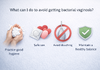
What can I do to avoid getting bacterial vaginosis?
There are some factors that can upset the natural balance of bacteria in your vagina and should be avoided:
The use of perfumed ‘intimate hygiene’ products
Vaginal douching (pushing water into your vagina)
Adding perfumed oils and soaps to your bath water
The use of strong detergent to wash your underwear
Wearing thongs and/or tight nylon tights
Some things which may help to avoid getting BV are:Using a condom and/or water-based lubricant during sex
Having showers rather than baths
Only washing your vulva and vagina once a day, using water only
Seeking treatment for heavy periods -
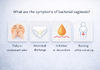
What are the symptoms of Bacterial Vaginosis?
Symptoms include a thin grey or white vaginal discharge and/or a fishy smell.
Soreness and itching are not common symptoms of BV. If you’re experiencing these, it could be a sign of a sexually transmitted infection (STI) or other infection. Please make sure to get tested if this is a concern.

Find out more
BV Overview
What is Bacterial Vaginosis?
BV is a common condition that affects many women. If you're experiencing a thin grey or white discharge and/or a fishy smell, this could be BV.
What can I do to avoid getting bacterial vaginosis?
There are some factors that can upset the natural balance of bacteria in your vagina and should be avoided:
The use of perfumed ‘intimate hygiene’ products
Vaginal douching (pushing water into your vagina)
Adding perfumed oils and soaps to your bath water
The use of strong detergent to wash your underwear
Wearing thongs and/or tight nylon tights
Some things which may help to avoid getting BV are:
Using a condom and/or water-based lubricant during sex
Having showers rather than baths
Only washing your vulva and vagina once a day, using water only
Seeking treatment for heavy periods
What are the symptoms of Bacterial Vaginosis?
Symptoms include a thin grey or white vaginal discharge and/or a fishy smell.
Soreness and itching are not common symptoms of BV. If you’re experiencing these, it could be a sign of a sexually transmitted infection (STI) or other infection. Please make sure to get tested if this is a concern.

- No appointment needed
- Convenient, discreet treatment
- Experienced clinicians
Why go with Heba?
We strive for excellence, delivering quality, clarity & support

Fully licensed pharmacists
Our licensed pharmacists ensure your safety and health. Every prescription is carefully reviewed.
Always genuine medications
We source from reputable manufacturers, ensuring every medication is authentic and safe.

Long term support
We are committed to providing assistance and guidance for your well-being and health.

Medication personalised to you
We customize your medication to fit your needs and health profile.
Verified customer reviews
-
What is bacterial vaginosis (BV)?
Bacterial vaginosis is a common vaginal condition caused by an imbalance in the natural bacteria found in the vagina. The vagina normally contains a delicate balance of different bacteria, predominantly 'good' bacteria called lactobacilli, which maintain an acidic pH to protect against infection. When this balance is disrupted and harmful anaerobic bacteria overgrow, BV occurs. It is the most common cause of abnormal vaginal discharge in women of childbearing age, and affects up to 29% of women worldwide. Many women with BV have no symptoms at all and do not require treatment. Those who do experience symptoms may notice a thin, grey or white watery discharge and a characteristic fishy smell, which is often more noticeable after sex. BV does not typically cause soreness, itching, or burning — these symptoms are more likely to indicate a different infection such as thrush or an STI.
-
Is BV a sexually transmitted infection (STI)?
No — BV is not a sexually transmitted infection. Any woman can develop BV, including those in same-sex relationships and women who have never been sexually active. However, sexual activity can be a trigger. Unprotected sex can disrupt the vaginal pH balance, as semen is alkaline and can interfere with the vagina's natural acidity. BV can be passed between female sexual partners. It is not possible, however, for a woman to pass BV to a male partner. Despite not being an STI itself, having BV can increase your risk of acquiring sexually transmitted infections such as chlamydia, HIV, and herpes, as the normal protective acidity of the vagina is reduced.
-
What are the symptoms of BV?
The most common symptom of BV is an unusual vaginal discharge that has a strong, fishy smell — particularly noticeable after sex. The discharge associated with BV is typically thin, watery, and grey or white in colour. Importantly, BV does not usually cause vaginal itching, soreness, or irritation. Around 50% of women with BV will have no symptoms at all. If you are experiencing itching, burning, or a thick white cottage cheese-like discharge, this is more likely to be thrush, not BV — although it is possible to have both conditions at the same time. If you have pelvic pain, fever, or a bloody discharge, you should seek medical attention as these could indicate a more serious condition.
-
Can BV clear up on its own without treatment?
Yes, in some cases BV may resolve without treatment, particularly if the vaginal bacteria balance naturally restores itself over the course of a menstrual cycle. Many women with BV have no symptoms and do not need treatment. However, if you are experiencing symptoms, treatment is strongly recommended to bring faster relief and to prevent potential complications. Leaving symptomatic BV untreated can increase your risk of acquiring STIs and, if you are pregnant, may lead to complications such as preterm labour or miscarriage. If symptoms persist for more than two weeks without treatment, or if they worsen, you should consult a doctor.
-
What can trigger BV or cause it to come back?
The exact cause of BV is not fully understood, but certain factors are known to disrupt the vaginal bacteria balance and increase the risk. Common triggers include: unprotected sex (as semen alters vaginal pH); having multiple sexual partners; smoking; hormonal changes related to the menstrual cycle, pregnancy, or menopause; using perfumed bath products, soaps, bubble baths, or vaginal deodorants; douching (washing inside the vagina); wearing synthetic underwear or tight nylon clothing such as tights and thongs; and using heavily scented washing powder for underwear. The vagina is self-cleaning and does not need any internal cleaning products — these can upset its natural protective balance.
-
Can BV affect pregnancy?
Yes. BV during pregnancy is associated with an increased risk of complications, including preterm labour, low birth weight, and in some cases miscarriage. BV has also been shown to lower the success rates of IVF treatment. If you are pregnant and think you may have BV, you should speak with your GP, midwife, or local sexual health clinic for further assessment and advice before starting any treatment. Metronidazole should not be taken during the first trimester of pregnancy, and any treatment during pregnancy should be specifically guided by a healthcare professional.
Your goals are within reach with Heba
Get started on your journey to better skin today
Start Assessment