Anti-Malarial Treatment Online



Malaria Overview
Everything You Need to Know
-
What is Malaria?
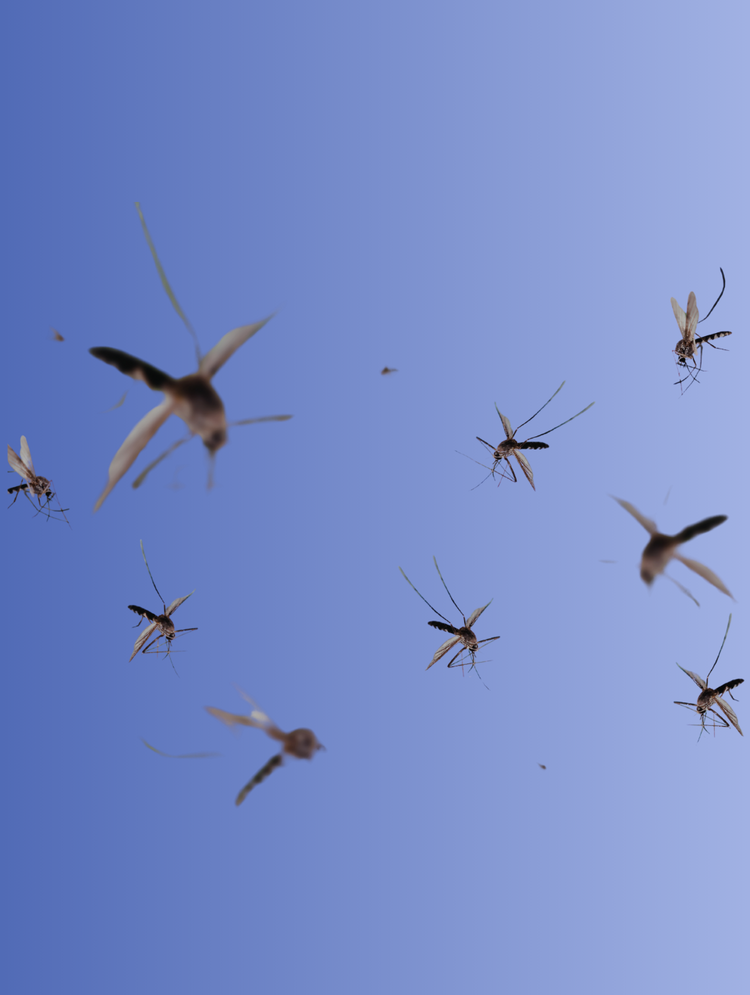
Malaria is a life-threatening disease spread to humans by some types of mosquitoes. It is mostly found in tropical countries. It is preventable and curable. Malaria mostly spreads to people through the bites of some infected female Anopheles mosquitoes. Blood transfusion and contaminated needles may also transmit malaria.
It is important to check the malaria risk for the country you're travelling to before you go. Visit the NHS Inform website.
It is vital that malaria is diagnosed and treated promptly, or it can be fatal. You can be prescribed antimalarial tablets to reduce the risk of getting malaria.
-
How Can I Prevent Malaria?
Use insect repellent on your skin – make sure it's at least 50% DEET-based and wear long-sleeved clothing and trousers to cover your arms and legs in the evening, when mosquitos are most active.
The other physical barrier to prevent malaria transmission, are of course mosquito nets. Sleeping under mosquito nets treated with insecticide can also reduce the chances that you will be bitten by a mosquito.
Take any antimalarial medicine you're prescribed – you usually need to start taking it a few days or weeks before you go, until a few weeks after you get back. This should be used in combination with other measures to avoid mosquito bites. This is to make sure the risk of contraction is at its lowest. If not taken as directed, their effectiveness is greatly reduced.
Which medication should I choose?
The tablets you need will depend on which country you are travelling to. You can visit the NHS Inform Travel Site, and look up your destination. You will then be able to see which malaria tablets are recommended for this region. If you are travelling through several different countries or even areas of a country, you may need more than one type of tablet.
-
What Are The Symptoms of Malaria?
The main symptoms include:
· A high temperature, or feeling hot, cold or shivery
· Headaches
· Flu-like symptoms
· Nausea and vomiting
· Diarrhoea
· Muscle aches
· Fatigue
Malaria symptoms can appear at any time from within a week to a year after an initial bite and the infection can be fatal. You should seek immediate medical advice.
Pregnant women, children, older people and those with a weakened immune system may develop complications if they get malaria.

Find out more
Malaria Overview
What is Malaria?
Malaria is a life-threatening disease spread to humans by some types of mosquitoes. It is mostly found in tropical countries. It is preventable and curable. Malaria mostly spreads to people through the bites of some infected female Anopheles mosquitoes. Blood transfusion and contaminated needles may also transmit malaria.
It is important to check the malaria risk for the country you're travelling to before you go. Visit the NHS Inform website.
It is vital that malaria is diagnosed and treated promptly, or it can be fatal. You can be prescribed antimalarial tablets to reduce the risk of getting malaria.
How Can I Prevent Malaria?
Use insect repellent on your skin – make sure it's at least 50% DEET-based and wear long-sleeved clothing and trousers to cover your arms and legs in the evening, when mosquitos are most active.
The other physical barrier to prevent malaria transmission, are of course mosquito nets. Sleeping under mosquito nets treated with insecticide can also reduce the chances that you will be bitten by a mosquito.
Take any antimalarial medicine you're prescribed – you usually need to start taking it a few days or weeks before you go, until a few weeks after you get back. This should be used in combination with other measures to avoid mosquito bites. This is to make sure the risk of contraction is at its lowest. If not taken as directed, their effectiveness is greatly reduced.
Which medication should I choose?
The tablets you need will depend on which country you are travelling to. You can visit the NHS Inform Travel Site, and look up your destination. You will then be able to see which malaria tablets are recommended for this region. If you are travelling through several different countries or even areas of a country, you may need more than one type of tablet.
What Are The Symptoms of Malaria?
The main symptoms include:
· A high temperature, or feeling hot, cold or shivery
· Headaches
· Flu-like symptoms
· Nausea and vomiting
· Diarrhoea
· Muscle aches
· Fatigue
Malaria symptoms can appear at any time from within a week to a year after an initial bite and the infection can be fatal. You should seek immediate medical advice.
Pregnant women, children, older people and those with a weakened immune system may develop complications if they get malaria.
- Travel with confidence
- Tailored to your itinerary and health profile
- Fast, discreet delivery
Why go with Heba?
We strive for excellence, delivering quality, clarity & support

Fully licensed pharmacists
Our licensed pharmacists ensure your safety and health. Every prescription is carefully reviewed.
Always genuine medications
We source from reputable manufacturers, ensuring every medication is authentic and safe.

Long term support
We are committed to providing assistance and guidance for your well-being and health.
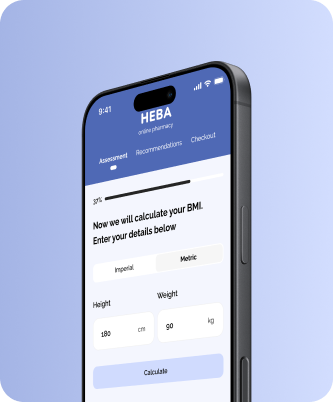
Medication personalised to you
We customize your medication to fit your needs and health profile.
Verified customer reviews
Your goals are within reach with Heba
Get started on your journey to better skin today