Your Journey to Clearer Skin Begins here



What is Acne & understanding its causes?
Acne is one of the most common skin concerns, but with the right guidance and effective treatments, clearer skin is achievable. Explore pharmacy-recommended options designed to reduce breakouts, calm irritation, and support long-term skin health.
-
What causes Acne?
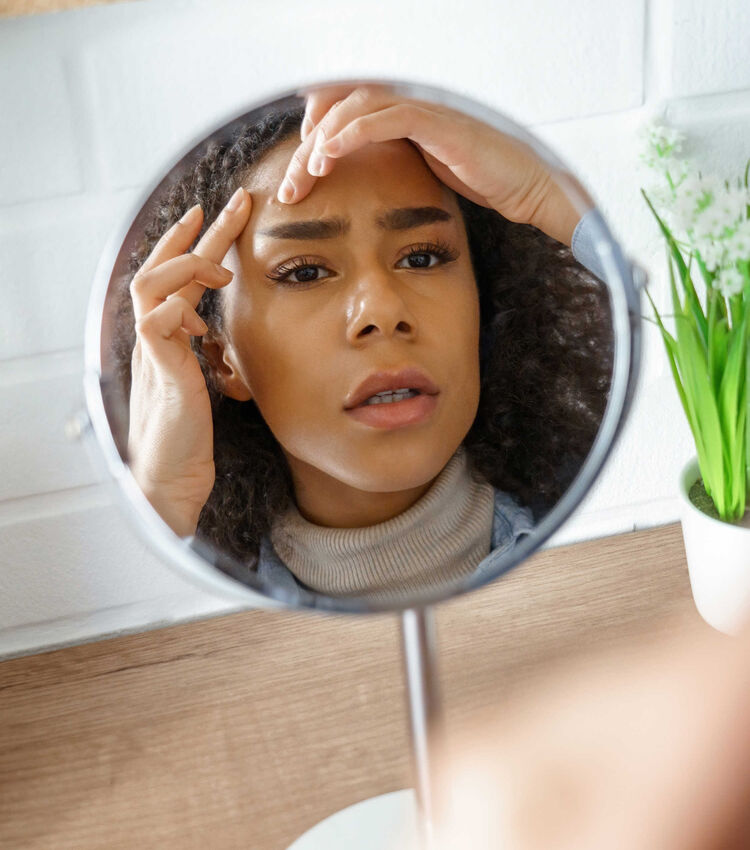
Acne develops when pores become clogged with excess oil, dead skin cells, and bacteria. Hormonal changes, stress, certain medications, and even skincare habits can contribute to breakouts.
-


Find out more
What is Acne?
What causes Acne?
Acne develops when pores become clogged with excess oil, dead skin cells, and bacteria. Hormonal changes, stress, certain medications, and even skincare habits can contribute to breakouts.
Why go with Heba?
We strive for excellence, delivering quality, clarity & support
Fully licensed pharmacists
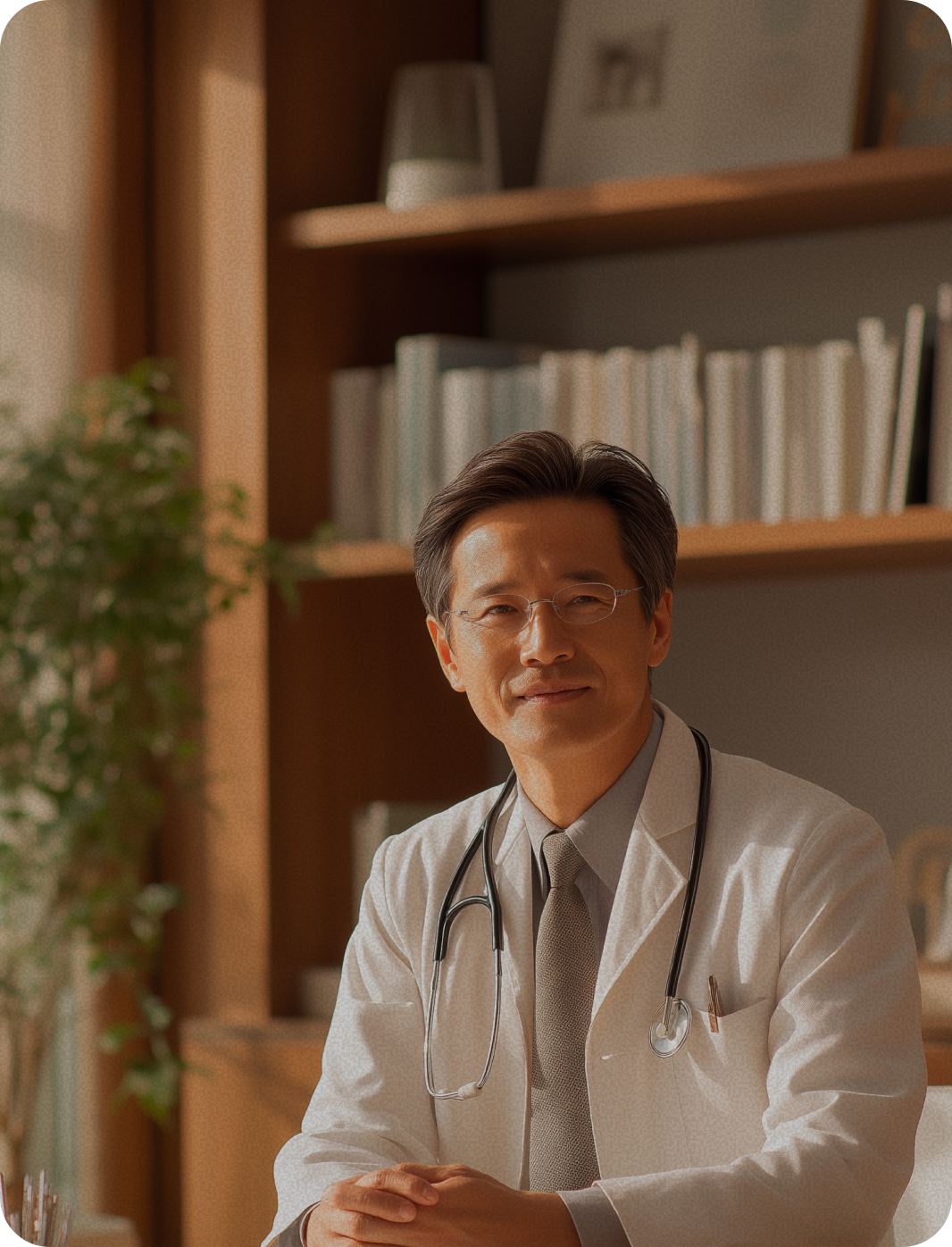
Our licensed pharmacists ensure your safety and health. Every prescription is carefully reviewed.
Always genuine medications
We source from reputable manufacturers, ensuring every medication is authentic and safe.

Long term support
We are committed to providing assistance and guidance for your well-being and health.

Medication personalised to you
We customize your medication to fit your needs and health profile.
Verified customer reviews
-
What causes acne?
Acne is mainly caused by hormonal changes. Androgens, which are male-type hormones found in both men and women, increase the skin’s production of oil (sebum). When too much oil is produced, pores can become blocked, leading to spots and inflammation. This is why acne is often linked with oily skin and greasy hair.
Hormone levels can fluctuate due to factors such as stress, weather changes, pregnancy, menstrual cycles, and certain skincare or cosmetic products. These triggers vary between individuals, so identifying personal triggers can help reduce breakouts.
Acne is especially common during puberty, as rising hormone levels stimulate oil glands. This increase in oil production can clog pores and cause blackheads, whiteheads, and inflamed spots.
Acne is not caused by poor hygiene. Excessive washing or using harsh products can strip the skin of natural oils, causing the body to produce even more oil and potentially worsen acne. Makeup itself does not cause acne and may help some people feel more confident by reducing the appearance of spots.
-
What are the Symptom's of Acne?
Acne can appear in several different forms, depending on how blocked or inflamed the pores are. Common types include:
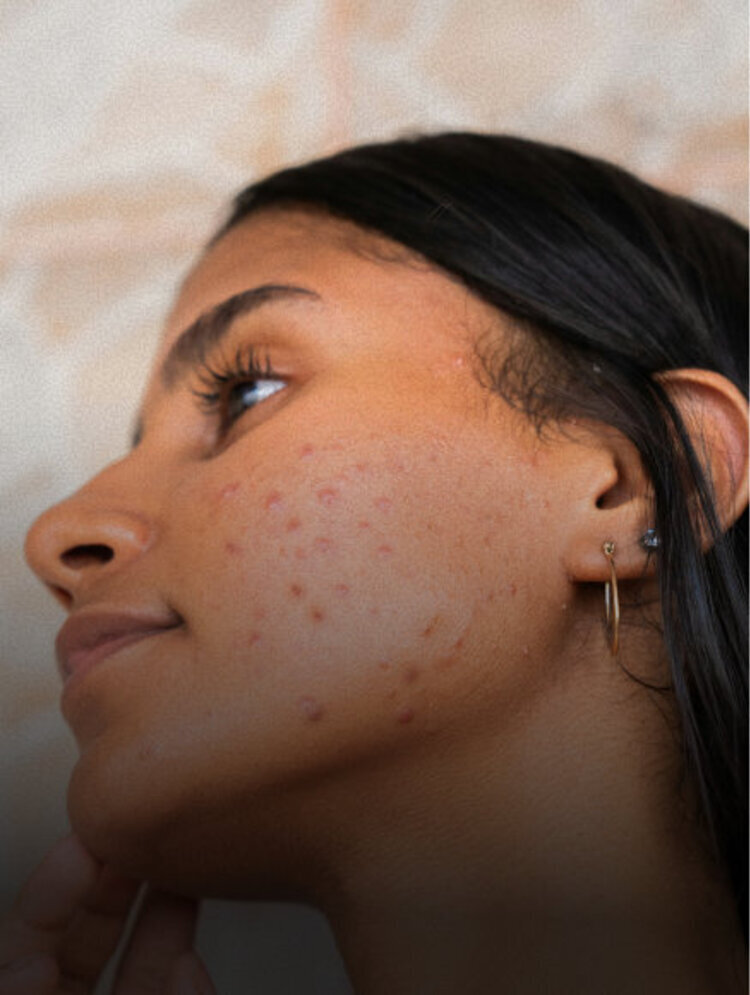
Whiteheads – Small, closed bumps with a white centre. They sit under the skin’s surface and are usually firm and difficult to remove.
Blackheads – Open pores that appear dark due to exposure to air, not dirt. Although tempting, squeezing blackheads can worsen acne and cause irritation.
Papules and pustules – Papules are small, red, inflamed bumps that may feel tender. Pustules are similar but contain pus and usually have a white or yellow centre.
Nodules – Larger, deeper lumps that can be painful. These types of acne often require medical treatment to prevent discomfort and scarring.
Cysts – Deep, pus-filled lesions that resemble boils. Cystic acne carries the highest risk of scarring, especially if picked or squeezed. -
How long does Acne last?
Acne can be a long-term condition, particularly for people who are more prone to breakouts. The length of time acne lasts varies from person to person. Some people see improvement within weeks, while others may continue to experience acne for many years. A doctor or pharmacist can recommend suitable treatments to help manage the condition.
Acne is most common during the teenage years due to hormonal changes and often improves in early adulthood. However, some people continue to experience acne well into their twenties or later. Adult acne is common and can usually be managed with the right treatment plan.
Because acne affects everyone differently, it is difficult to predict how long it will last. If acne is persistent or affecting confidence or wellbeing, seeking professional treatment advice is recommended.
-
How to treat Acne
If you have ongoing or severe acne that does not improve with basic skincare, there are several steps you can take. Mild acne may be managed with self-care, while more persistent acne may require advice from a doctor or pharmacist.
Self-care tips for managing acne include:
- Use acne-targeted gels or treatments available from a pharmacy.
- Gently cleanse affected areas with a mild cleanser and lukewarm water. Avoid very hot or cold water.
- Avoid picking or squeezing spots, as this can worsen acne and increase the risk of scarring.
- Limit the use of makeup and cosmetic products and always remove them before sleeping.
- If acne is severe or persistent, seek medical advice. Prescription creams or oral antibiotics may be recommended following a consultation.
Your goals are within reach with Heba
Get started on your journey to better skin today
Start Assessment